As cities evolve, local authorities are seeking ways to improve accessibility, reduce congestion and encourage more sustainable travel. Mobility hubs are increasingly recognised as an effective solution, bringing together different transport modes in one convenient location. While many cities are exploring how to develop these hubs, Q-Park parking facilities are already well positioned to support this role.
With strategically located off-street parking facilities across the UK and Europe, Q-Park is evolving from a traditional parking operator into a sustainable mobility partner. This reflects changing urban mobility needs and demonstrates how existing parking infrastructure can support the future of transport.
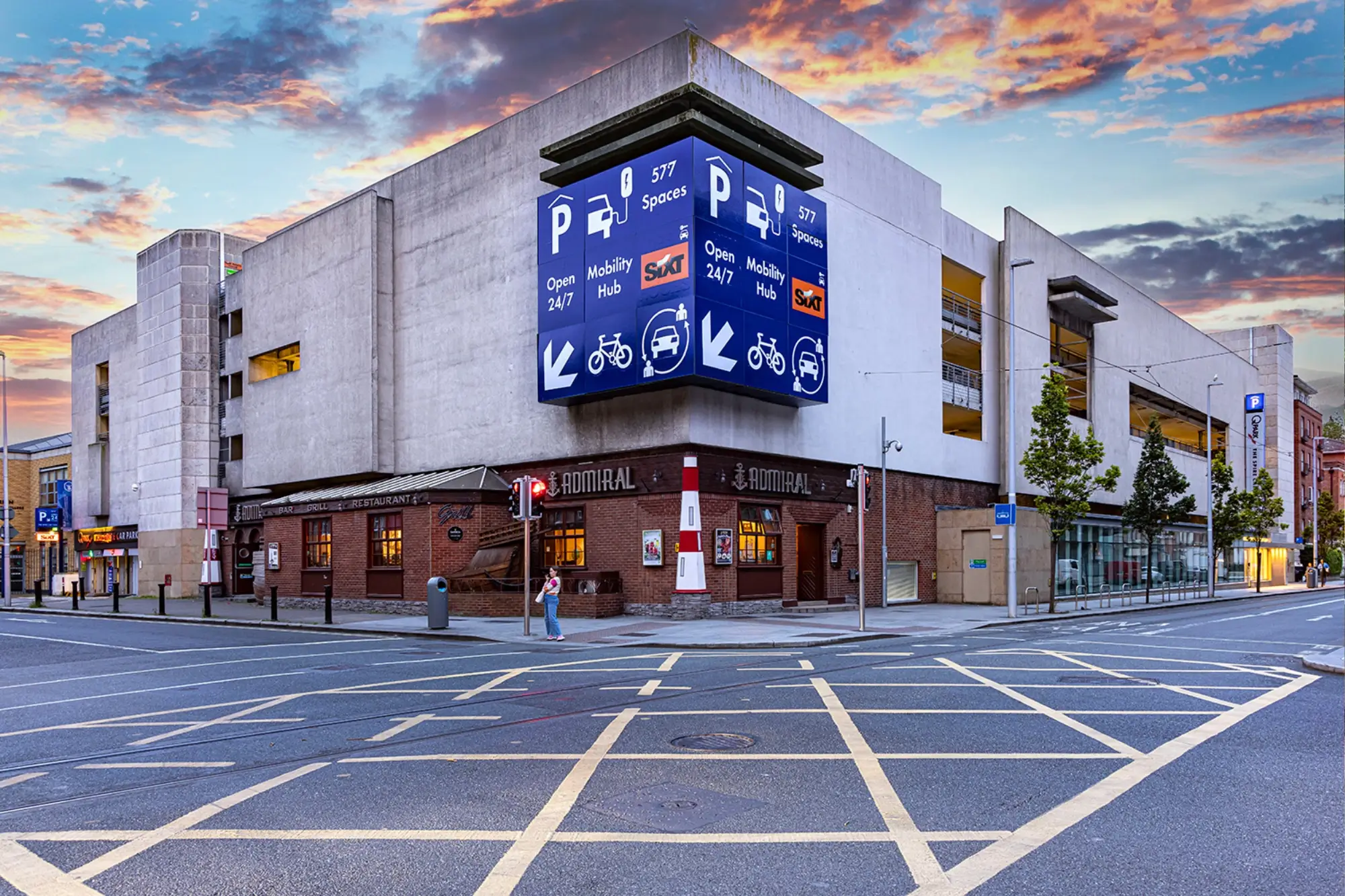
According to Q-Park, a mobility hub is much more than a place to park. It provides access to multiple transport options and services, helping people complete their journeys efficiently and sustainably. Q-Park mobility hubs combine parking, electric vehicle charging, pre-booking technology and shared mobility services, while also connecting users to public transport networks. Many Q-Park facilities already have the characteristics needed to function as mobility hubs. Located near retail districts, transport interchanges, business centres and cultural destinations, they naturally connect private vehicles with public transport, cycling and micromobility options.
Q-Park's mobility hub strategy helps cities balance accessibility with environmental goals. By encouraging drivers to use off-street parking and connect with alternative transport modes, facilities can reduce pressure on city streets while maintaining convenient access for residents, visitors and businesses.
The benefits extend beyond transport. Digital services such as pre-booking and the internally developed Parking as a Smart Service (PaSS), which combines Automatic Number Plate Recognition (ANPR) technology and digital payment solutions, help reduce traffic caused by motorists searching for parking. Drivers can travel directly to their destination, improving traffic flow and reducing unnecessary emissions. Moving parking activity off the street also frees up valuable public space. Cities can repurpose these areas for wider pavements, cycling infrastructure, green spaces, outdoor dining and public realm improvements, creating more attractive and liveable urban environments.
Q-Park mobility hubs can also support additional urban services, including electric vehicle charging, shared mobility providers and last-mile logistics. Their flexibility ensures existing parking infrastructure remains relevant as mobility patterns continue to evolve. The concept is already proven. More than 50 Q-Park facilities across Europe have been identified as mobility hubs, with certified locations operating in cities including London, Manchester, Liverpool, Glasgow and Edinburgh.
By combining strategic locations, existing infrastructure and digital innovation, Q-Park mobility hubs are helping cities create more accessible, sustainable and connected urban environments.