AVs: our view on the opportunities and threats they pose to shared and sustainable transport

Influencing the conversation around the introduction of AVs in the UK

CoMoUK is the national charity for shared transport. 2026 sees the arrival of automated services to UK roads, initially through trials of “robotaxis” in London, as well as pilots of automated bus services.

Automated vehicles (AVs) could bring with them a range of benefits to road users, including through safer driving behaviours and connecting areas experiencing public transport gaps. However, without a clear vision and policy direction, these benefits are not guaranteed and potential negative consequences must be considered.
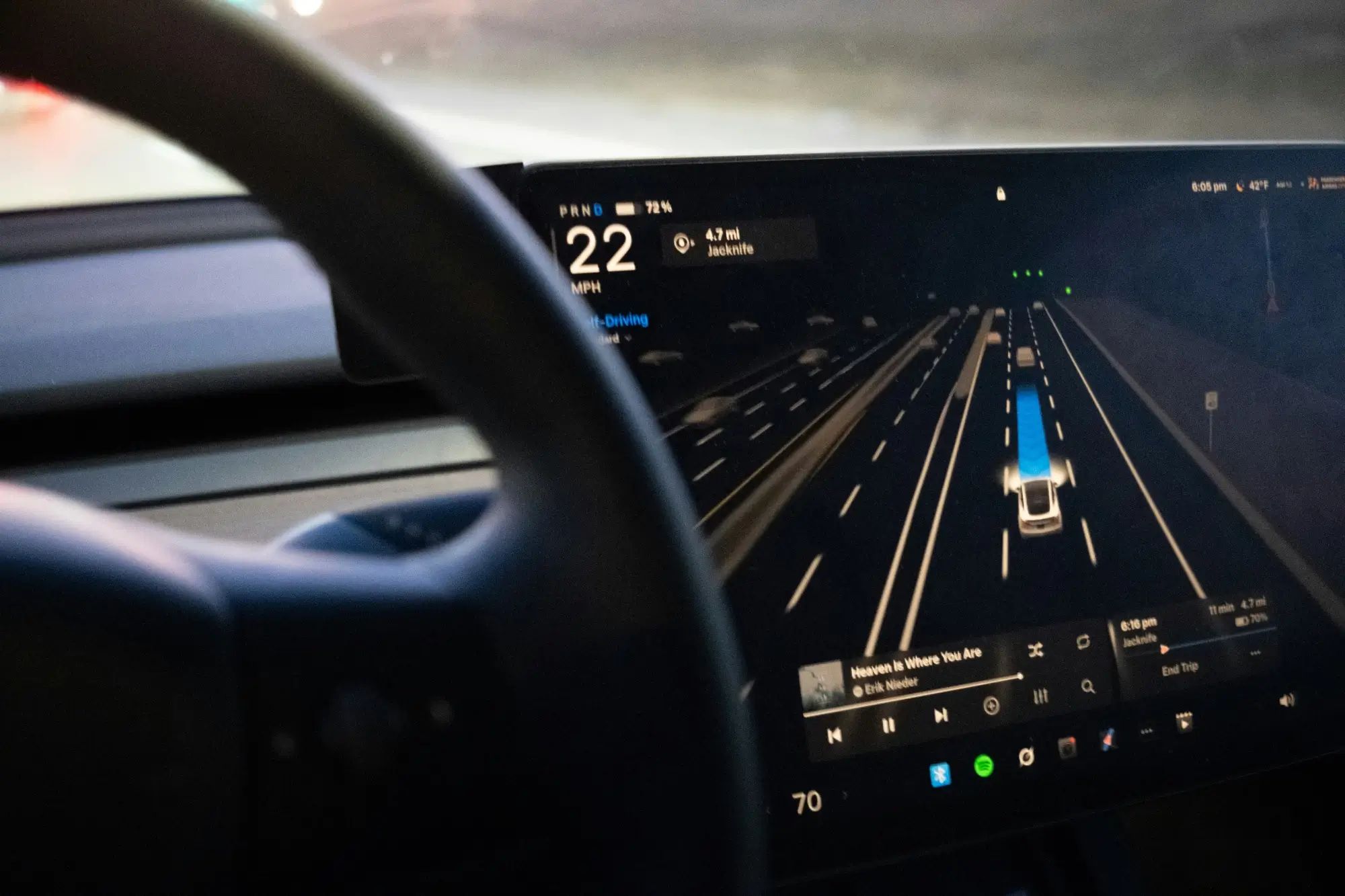
Dashboard screen of a car showing autopilot mode with vehicle, lanes, speed, and media info.

Our vision

CoMoUK has taken a proactive approach to influencing the conversation around AVs. In June 2026, the whitepaper titled “Driverless shouldn’t be directionless” was published. The paper reflects on the introduction of AVs to the UK transport mix, highlighting key considerations across shared transport modes, and setting a vision that is at present missing from the conversation. It calls for an introduction of AVs that is integrated, sustainable and equitable.

Integrated

AVs must be introduced in a way that works alongside shared transport, public transport and active travel. Successful examples of mobility hubs should be used to consider approaches to integrating AVs with other modes.
1

Sustainable

AVs can contribute to transport decarbonisation but their impact on mode shift is uncertain. For a sustainable introduction, robotaxis should be shared by default in order to minimise the impact of single occupancy trips. This will require pricing incentives and other measures.
2

Equitable

Much of the current focus in the sector is on robotaxis in urban areas, and greater focus and investment should be made in the applications of automated services in suburban and rural areas with high social value potential.
3

Our policy asks

To deliver automated services aligned to the stated vision of the whitepaper, seven policy recommendations are made:

1
Set a clear vision to ensure that AVs are introduced to the UK in an integrated way, that prioritises sustainable and equitable use cases.
2
Prioritise the shared use of AVs, which for robotaxis could involve trialling differentiated price modes for trips shared with another rider. Personal safety concerns must be noted and addressed.
3
Pilot AV services that follow existing car club models of delivery, with corresponding trip types such as longer distance, return journeys.
4
Prioritise the use of funding such as CAM Pathfinder for use cases with the greatest social value. Including shared mobility options, other vehicle types and geographic areas with lower public transport provision.
5
Explore different ways of physically integrating AVs with sustainable transport modes, drawing upon the mobility hub approach to facilitate multimodal journeys.
6
Investigate measures to reduce the impact of AVs on congestion, such as single-occupancy levies for robotaxi journeys made in central urban environments, or setting geofenced areas to restrict the areas AVs can travel in.
7
Engage as transport authorities with Disabled Peoples’ Organisations to define accessibility standards for both potential users of AVs and those in their surrounding environment.

Get in touch

* required field
Thank you! Your submission has been received!
Oops! Something went wrong while submitting the form.